
Uganda’s Greatest Asset and Challenge
Uganda has one of the youngest populations in the world, with over 78% of its citizens under the age of 30. While this represents an enormous demographic dividend, it also creates an urgent imperative for job creation. Current youth unemployment stands at 13.3%, with underemployment affecting even more young people, particularly in rural areas like Eastern Uganda.
A Growing Barrier to Opportunity
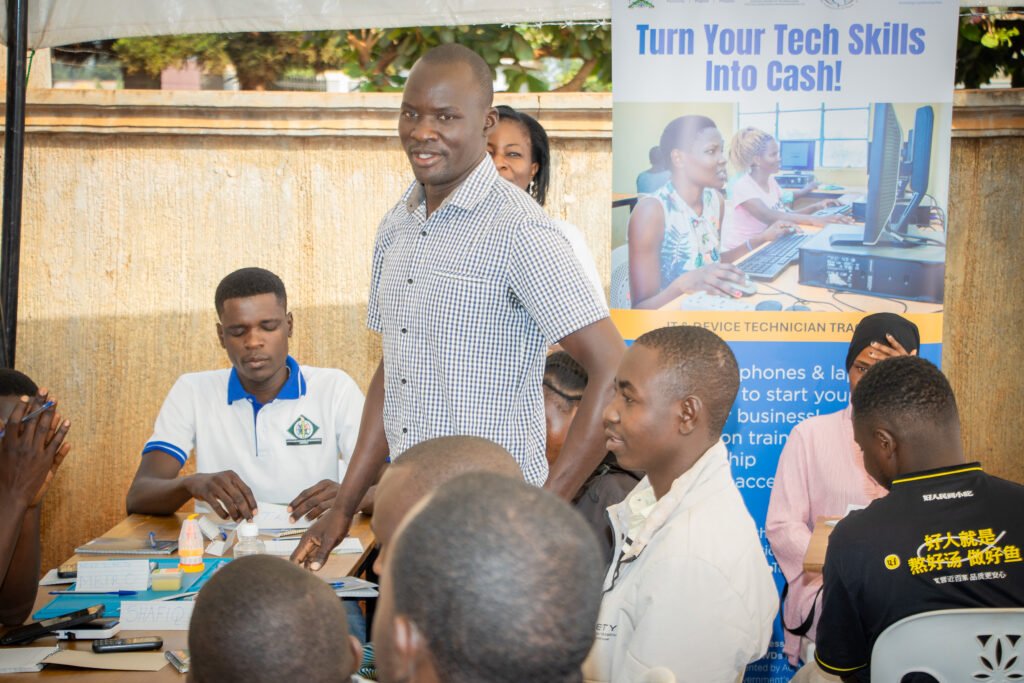
In an increasingly digital world, lack of access to technology and digital skills creates a new form of poverty. In Eastern Uganda, limited internet connectivity, high data costs, and low digital literacy prevent individuals from accessing online education, government services, market information, and global employment opportunities, effectively locking them out of the modern economy.
Gender Disparities in Technology Access
Women and girls in the region face additional barriers to digital inclusion, including socio-cultural norms that may prioritize male education in STEM fields, unequal access to financial resources for purchasing devices, and safety concerns online. This gender digital gap undermines women’s economic potential and reinforces existing inequalities.
Economic Vulnerability of Small-Scale Enterprises
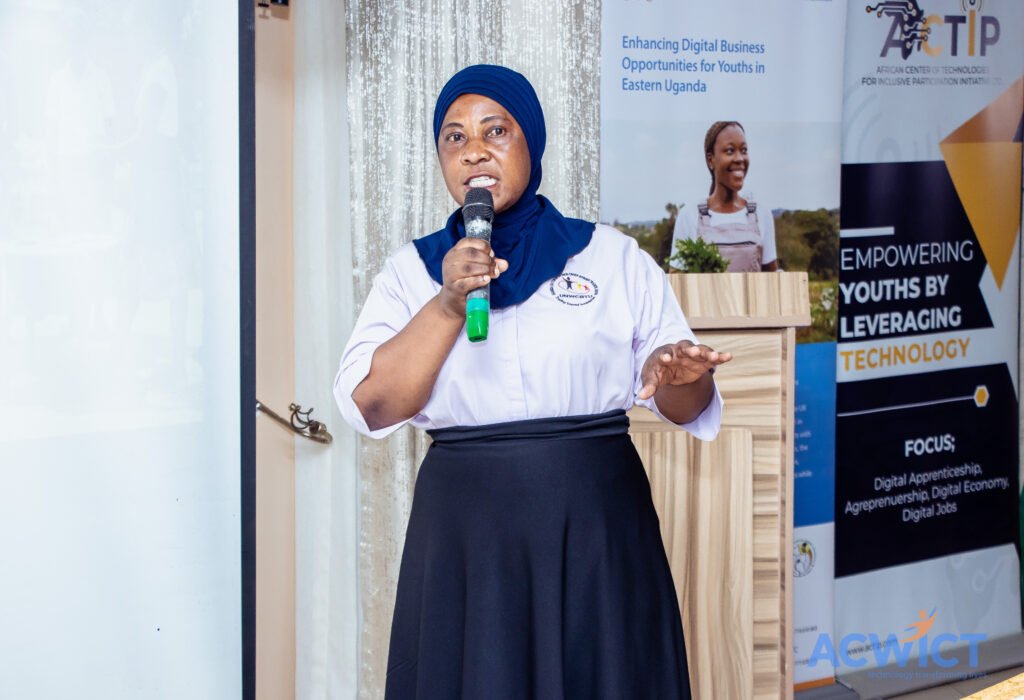
The majority of businesses in Eastern Uganda are small-scale and informal. Without digital tools, these entrepreneurs struggle with limited market access, inability to compete with larger businesses, poor financial management, and vulnerability to economic shocks. Digital transformation is no longer a luxury but a necessity for business survival and growth.
The Untapped Potential of Cross-Border Trade
The Eastern Uganda districts, particularly Busia, sit on a crucial international border with Kenya. While there is significant cross-border trade activity, most of it remains informal and small-scale. Traders lack access to digital platforms that could help them find new markets, negotiate better prices, manage logistics, and formalize their businesses for greater profitability.
Facing Double Exclusion
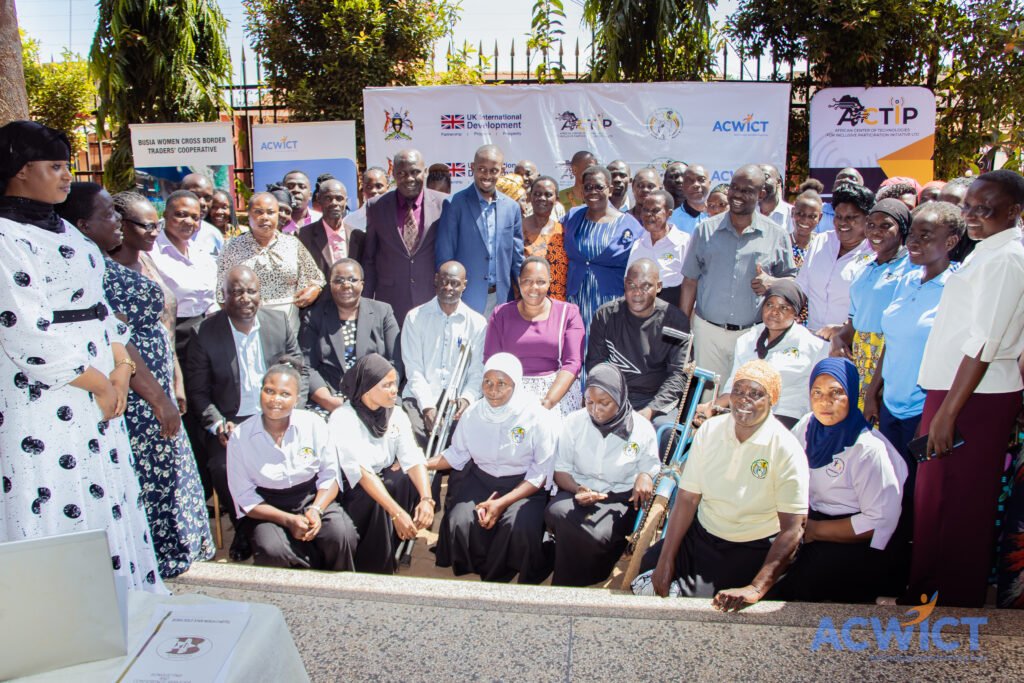
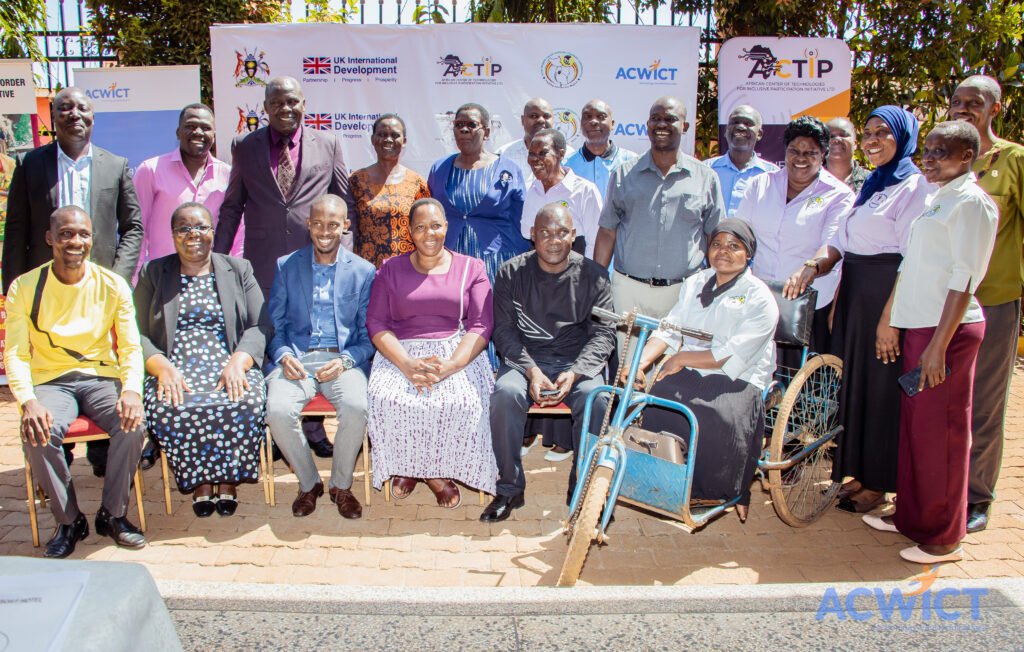
Persons with disabilities in the region often face both physical barriers to accessing training centers and attitudinal barriers that limit their perceived potential. This double exclusion means they are often left out of both traditional economic opportunities and emerging digital economies, despite having equal potential to contribute and thrive.
Why This Project is Essential
These challenges do not exist in isolation. They converge to create a cycle of exclusion where lack of digital skills leads to limited economic opportunities, which reinforces poverty and gender inequality. This project addresses these interconnected issues simultaneously, recognizing that a holistic approach is the only way to create meaningful, lasting change in Eastern Uganda.
A Call to Action Rooted in Reality
The challenges are clear, but so is our path forward. We are not just addressing the digital divide—we are confronting the deeper inequalities of access, opportunity, and inclusion. This project emerges not from theory, but from the urgent, lived realities of communities in Eastern Uganda. Now is the time to turn need into action, and potential into lasting, dignified livelihoods.