Identifying a Critical Gap
The story of this project began with a clear-eyed observation of Eastern Uganda’s potential and its challenges. Despite being a hub of youthful energy and cross-border trade, the region was plagued by high youth unemployment (13.3%) and a vast digital divide. We recognized that without intervention, women, youth, and persons with disabilities would be left even further behind as the world raced into the digital future.
Key Stats and Figures
“Our impact in numbers: measurable targets that define how we are transforming lives in Eastern Uganda.”
Laying the Foundation: Learning from Success
Before a single plan was drafted, we looked to our own success story: the Digitally Enabled Gender Equity and Social Inclusion (DEGESI) project in Kenya. Its proven Community Digital Champion (CDC) model and structured curriculum provided a robust, evidence-based blueprint. We knew that adapting this successful framework to the unique context of Eastern Uganda was the most effective way to start.
The Partnership Formation: Building a Dream Team
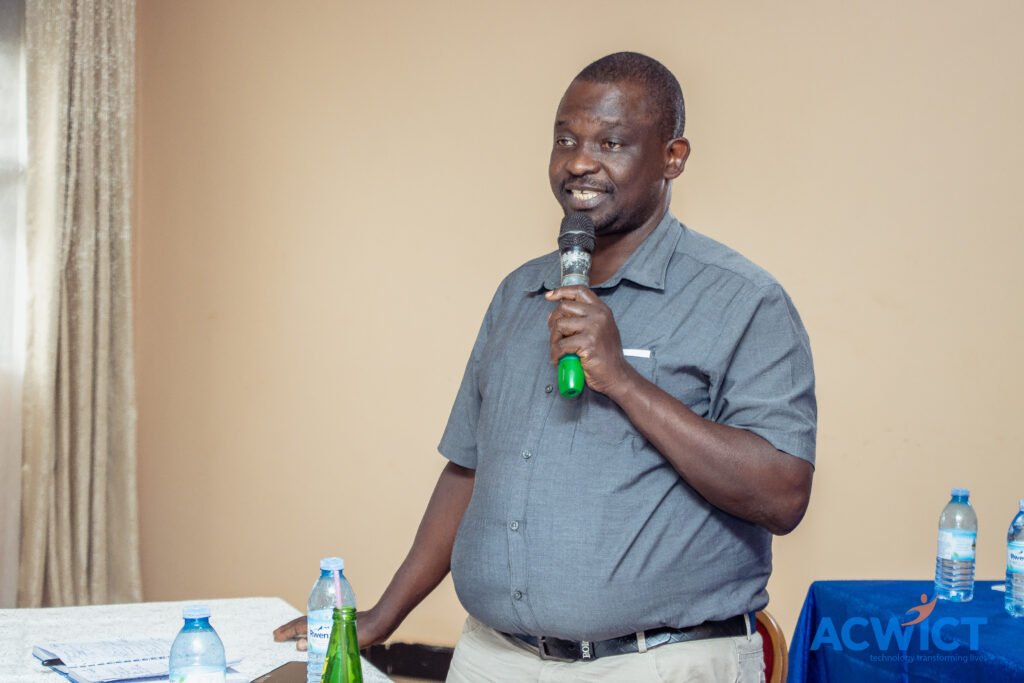
A project of this scale cannot succeed alone. We intentionally built a consortium where each partner brings a unique, critical strength. ACWICT provided the regional expertise and model, ACTIP offered the on-ground technical capability and local presence, and BWCBTCU ensured deep community integration and market access. This tripartite collaboration became the project’s backbone.
Ground Truthing: The Needs Assessment
To ensure our intervention was precisely targeted, we conducted thorough needs assessments, including leveraging ACWICT’s 2020 study on cross-border trading opportunities. We engaged with district leaders, community elders, and potential beneficiaries themselves. This process confirmed the urgent need for practical digital skills linked directly to income generation and validated our focus on the four chosen districts and beneficiary groups.
Designing the Model: The Four-Track Cascade System
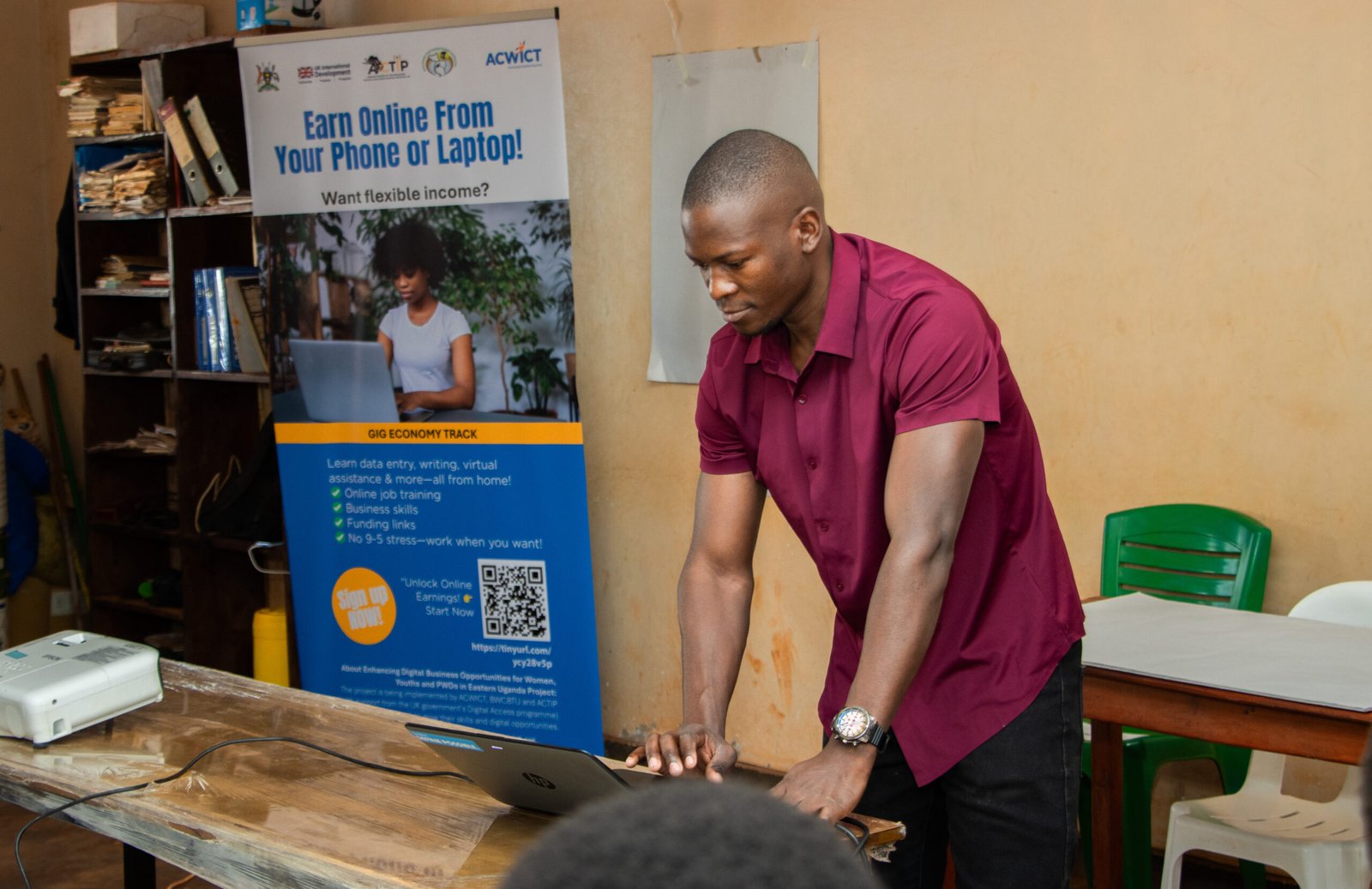
Armed with data and community insights, we meticulously designed our intervention. We created four distinct training tracks—Agribusiness, Creative Economy, Online Work, and Computer Technicians—to cater to diverse interests and market needs. Crucially, we built this around a cascade Training-of-Trainers (ToT) model, where training 40 local entrepreneurs would create a ripple effect, empowering them to train and mentor hundreds more, ensuring long-term sustainability.
The Official Launch: From Blueprint to Action
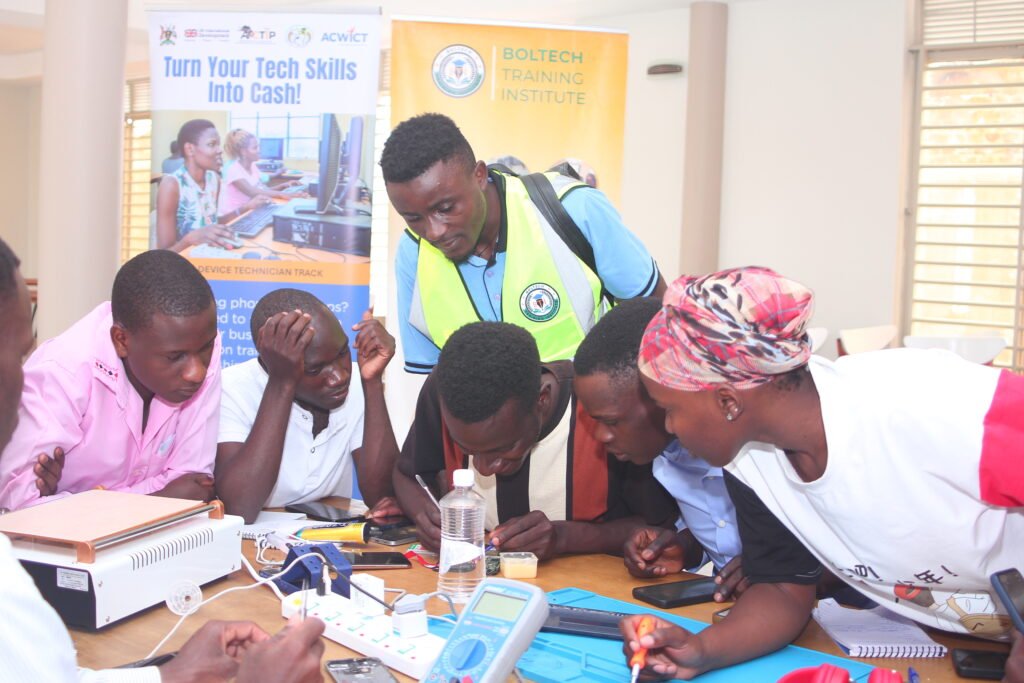
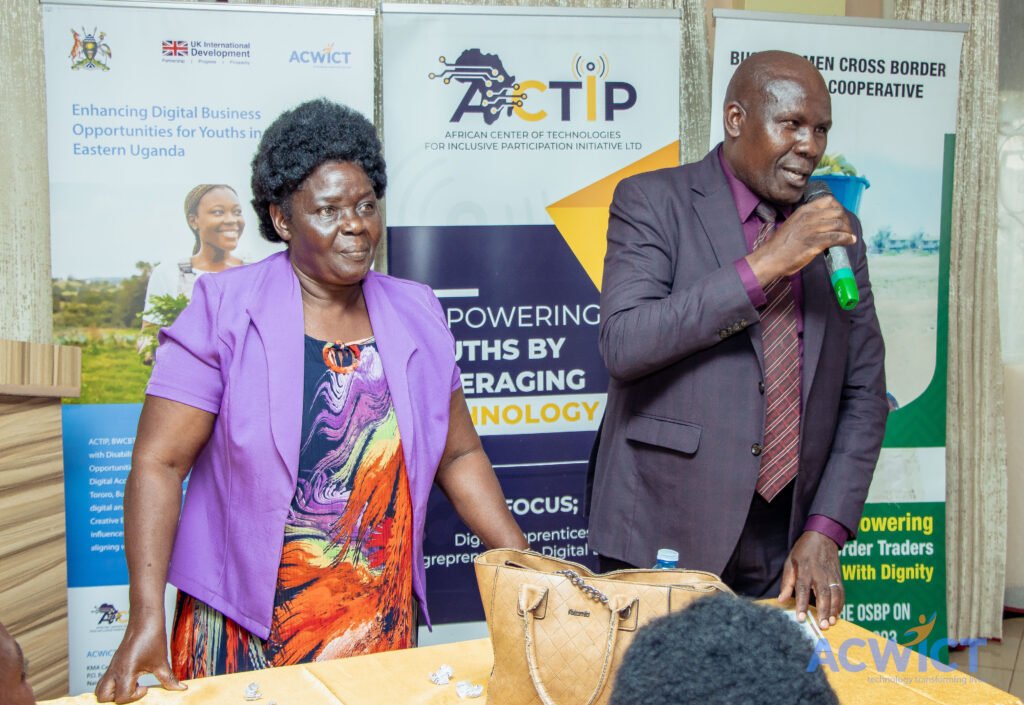
The project moved from concept to reality through a series of official launches and stakeholder engagements across the four districts. We met with district local government officials, community leaders, and youth groups to build trust, align with local development plans, and co-create the implementation pathway. This collaborative start was essential for fostering local ownership and setting the stage for successful rollout.
The Road Ahead: A Commitment to Evolution
Our story is still being written. We are committed to a journey of continuous learning and adaptation. We will rigorously monitor our progress, listen to our beneficiaries, and remain agile enough to refine our approach. Our goal is not just to complete a project, but to plant the seeds for a self-sustaining digital revolution in Eastern Uganda that will grow and evolve for years to come.
A Story Still Being Written
Our journey is a living testament to the power of partnership and persistence. What began as an idea has grown into a movement, built on the belief that every person in Eastern Uganda—regardless of gender, age, or ability—deserves a seat at the digital table.
This is not the end of our story, but a bold new chapter. Together, we will continue learning, adapting, and expanding until digital opportunity reaches every corner of our communities.